What is a Laser Show? A Complete Guide to Laser Light Shows
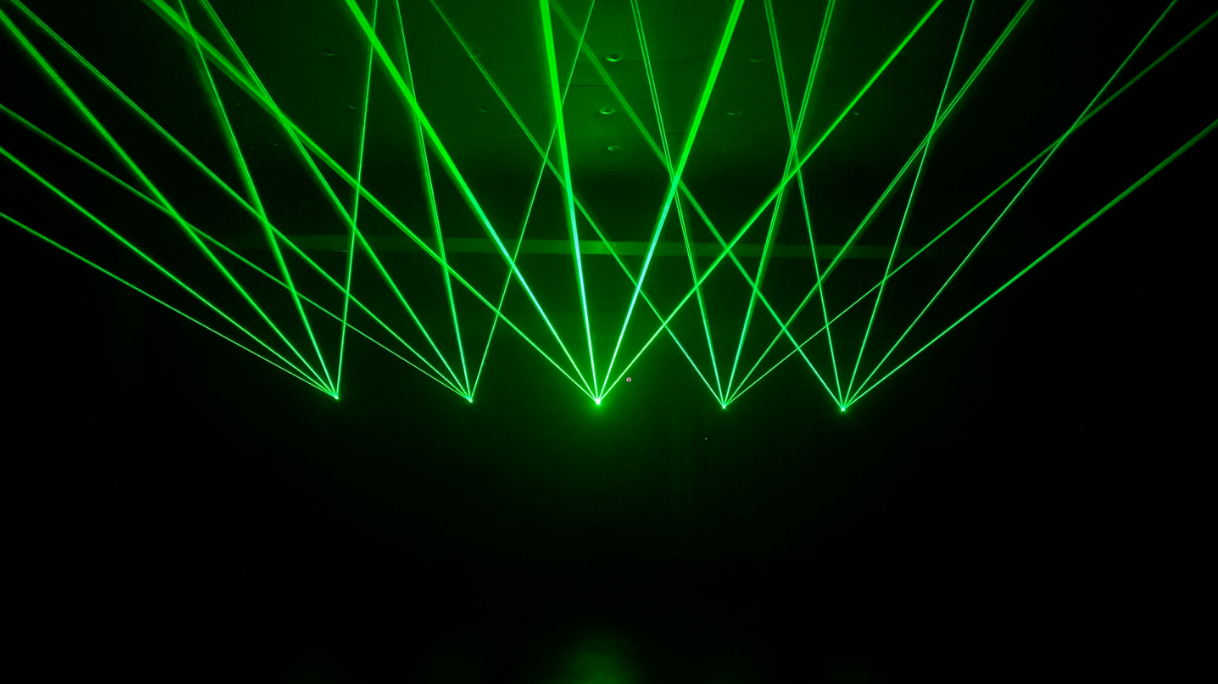
A laser show uses controlled laser beams to create patterns, animations, and effects that are synchronized with music. These light displays can turn a normal room into an exciting space, with colorful graphics that seem to dance in the air.
Laser shows can be big or small. You can see massive aerial effects at a laser light show concert, or use a compact system like the LaserCube to light up a private party. Either way, they create memorable experiences by mixing light, color, and movement.
Types of Laser Shows
Concert and Festival Laser Shows
The laser show concert is one of the most popular types. At these events, powerful projectors create amazing aerial beam effects that cut through fog-filled venues. Major artists like Pink Floyd, Daft Punk, and many electronic music festivals use laser shows to make their performances even better. The laser beams are timed perfectly with the music, creating a strong connection between what you hear and see.
Architectural and Permanent Installations
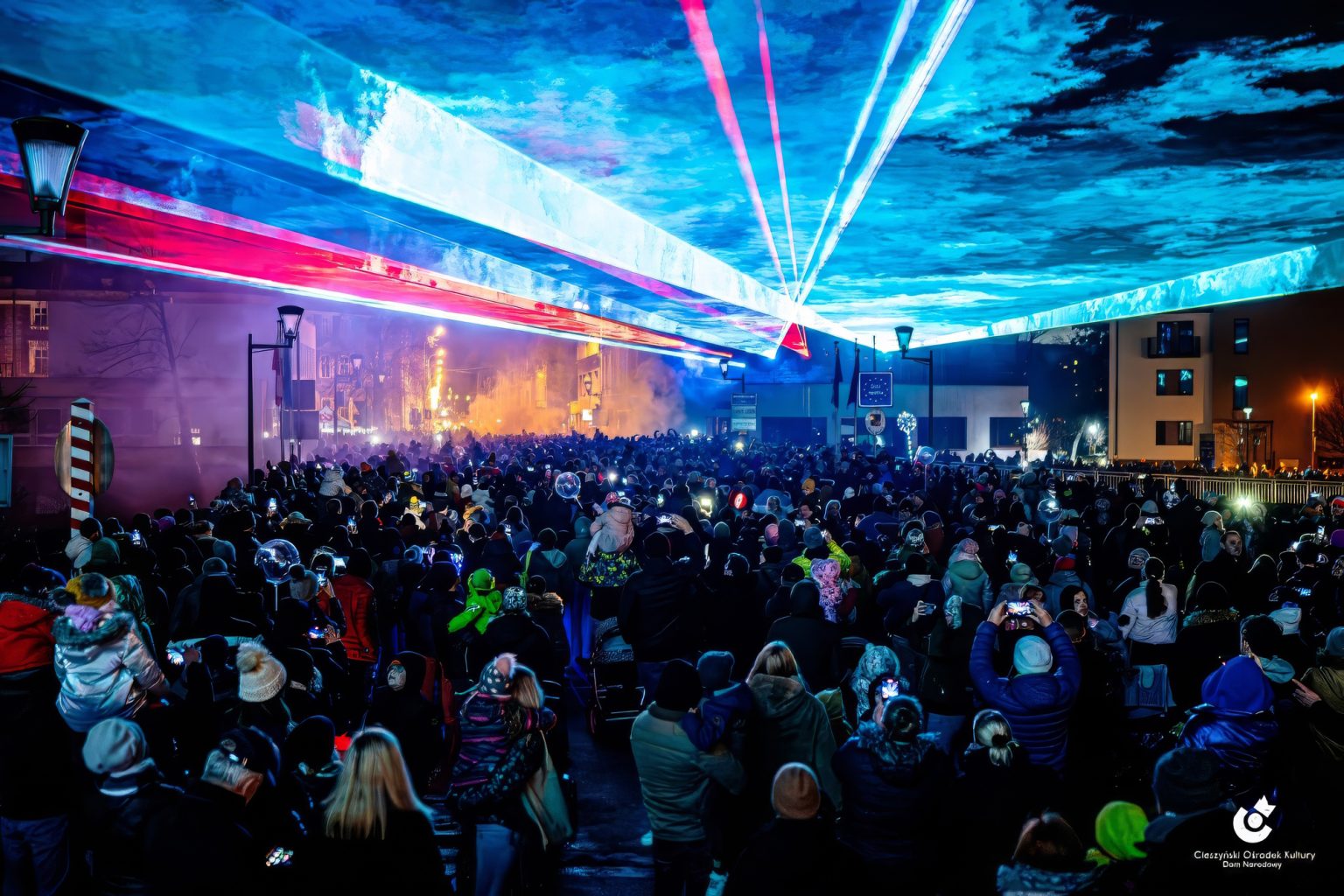
Laser shows aren’t limited to concerts. Architectural laser displays can illuminate buildings, monuments, and bridges for special events or permanent installations. Cities often use them for celebrations, while museums and theme parks typically incorporate them into their exhibits.
Entertainment Venues
Nightclubs, bars, and event spaces use laser shows to build atmosphere and excitement. These installations can range from simple pattern projectors to advanced systems that respond to a DJ’s performance in real-time.
Private Events and Parties
More and more, professional-quality laser shows are appearing at weddings, corporate events, and private parties, bringing a unique form of entertainment to smaller, more personal settings.
How Laser Shows Work
Laser shows rely on three main components working together, explained below:
Laser Sources
High-powered lasers generate intense beams of colored light – typically red, green, and blue. These primary colors can be mixed to create almost any color in the visible spectrum, producing the vibrant displays for audiences to see.
Galvanometer Scanners
Often called “galvos,” these are small, ultra-fast mirrors that move thousands of times per second. By precisely controlling these mirrors, one can steer the laser beams to draw shapes, text, and animations.
Control Software
Advanced software like the LaserOS software coordinates the lasers. It times beam movements with music, manages safety zones, and creates the detailed patterns that make each show unique. Modern systems can react to audio input automatically or follow pre-programmed sequences.
Atmospheric Enhancement
To see the beams cutting through the air, operators use fog or haze machines. The atmospheric particles catch the light, making the beams visible and creating those iconic “laser tunnel” effects. Without it, you would only see the small dot where the laser hits a surface.
From Big Concert to Portable Lasers
In the past, professional laser shows required massive, expensive equipment. These systems needed dedicated power, complex wiring, and a team of technicians to operate safely, limiting them to major venues and large-scale productions.
The industry has changed with portable laser projectors. Technology has made professional-quality components smaller, allowing for powerful laser shows in compact, battery-powered units that weigh just a few pounds. This shift, led by products like the LaserCube, has made laser entertainment available to mobile DJs, small venues, and artists who previously couldn’t afford it.
Creating Your Own Laser Shows with LaserCube
With portable technology, creating your own laser show is more accessible than ever. Many portable projectors come with software libraries containing hundreds of pre-made effects, animations, and music-reactive displays. This allows users to create impressive shows right away, often without programming experience.
Getting Started
- Choose a portable laser projector that matches your venue size.
- Ensure the system includes safety features like software-defined safety zones.
- Look for systems with large content libraries and easy-to-use control software.
- Consider battery-powered options for maximum flexibility.
Key Features to Consider
- Multiple color lasers for a full spectrum of colors.
- Fast galvanometer scanners for smooth, clean animations.
- Music-reactive features for shows synchronized to audio.
- Mobile app control for convenient wireless operation.
- Professional connectivity options for advanced users.
Safety First
Always put safety first. Use systems with built-in safety features, ensure beams are not pointing at people, and keep lasers away from aircraft flight paths, as this is illegal and dangerous.
Products like the LaserCube showed well the development of portable technology. This palm-sized, battery-powered laser includes features that used to be available only in large, professional systems. With its LaserOS software, you can control it from a computer or smartphone to create simple party effects or even complex, timed performances. For advanced users, it also has professional connections like ILDA compatibility.
This new technology makes high-quality laser entertainment easier to get. It opens up creative options that were once possible only for large budget advertisers.