

Laser Control Guide: Modern Tools for Laser Light Shows
For a long time, putting on a laser show was hard work. It required heavy equipment, complex wiring, and a lot of technical skill to run it.
If you wanted to run a simple display, you often had to spend hours setting up. But things have changed over time. Modern laser control has shifted focus from hardware management to pure creativity, allowing creators and performers to create professional laser displays.
The Traditional Approach
In the past, laser control meant dealing with a lot of external components. You needed a specific box called a DAC (Digital to Analog Converter).
This box sat between your computer and the laser projector. You also had to use heavy DB-25 ILDA cables to connect everything. These cables were often thick, limited in length, and difficult to route through a venue.
If you wanted to put a laser in a spot without a power outlet nearby, it was nearly impossible. The old systems were built for permanent stages, not for quick setup or flexibility, something that helps modern artists and performers.
The Wireless Shift
The industry needed a more flexible solution. The goal was to remove the external boxes and cables that slowed down the creative process.
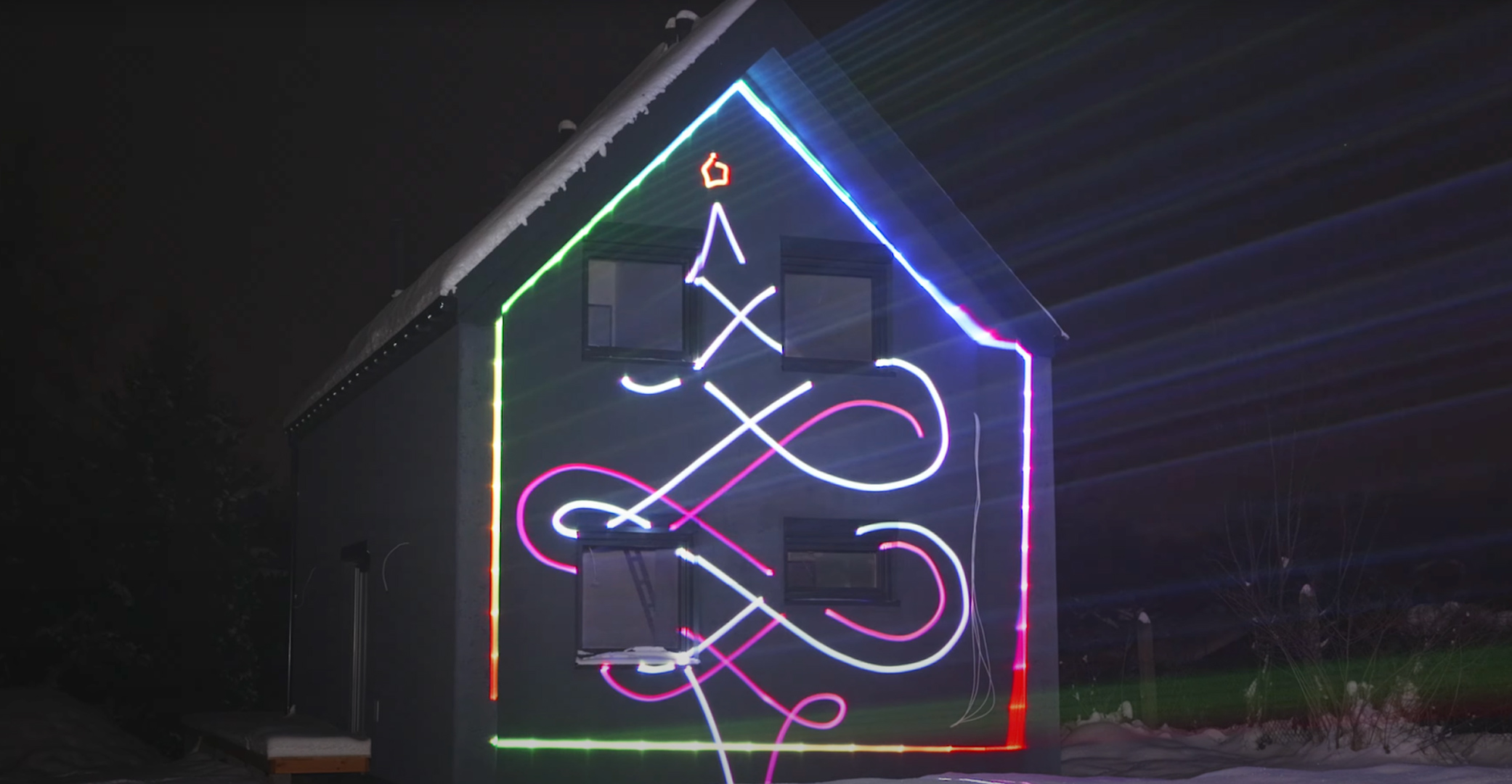
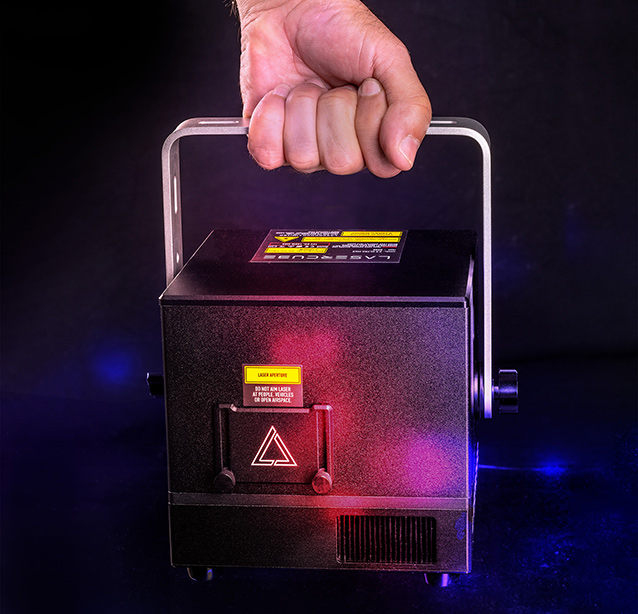
This led to the development of all-in-one systems, such as the LaserCube. By integrating the battery, laser, and WiFi into a single chassis, the need for heavy cabling is removed.
- Wireless Connection: Control the unit without running long data cables, with low latency suitable for live performance.
- Battery Power: Place the device anywhere, even without a wall plug, givng creators and performers the ultimate flexibility.
This approach gives artists the freedom to place light exactly where it is needed, and to create professional laser displays.
Software as the Interface
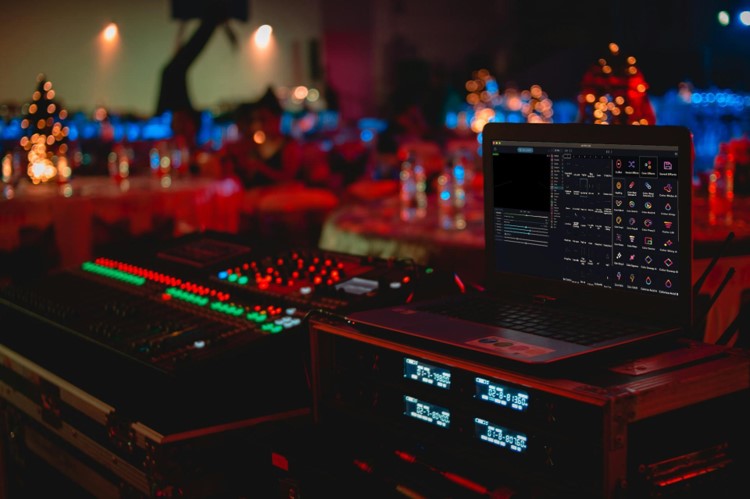
With older laser control systems, you often needed a physical lighting desk with many sliders to run a show. Today, software acts as the primary controller.
Platforms like LaserOS are designed to turn a standard phone or laptop into a command center. You can pick an effect, drag it onto a timeline, and press play.
- Visual Artists: Draw directly on a tablet screen to trace light in real-time.
- Musicians: Allow the software to listen to the beat and sync effects automatically.
This modernizes laser control, making it as accessible as editing a photo or picking a song. Creators and professionals can spend more time designer laser displays instead of figuring out where to place all the heavy equipment first.
Bridging the Gap for Professionals
While wireless control is great for mobility, many professional shows still rely on established standards. Lighting designers often prefer to stick with the workflows they know.
To accommodate this, hybrid devices like the LaserCube Ultra Mk 2 maintain support for these standards. It features dedicated ports for DMX and ILDA, along with Art-Net support, allowing connection to large lighting consoles.
This offers a flexible choice:
- Use the portable, wireless features for quick events.
- Switch to standard cable connections for complex stage productions.
- Run completely standalone shows using the built-in CubeOS, requiring no computer at all.
Smarter Safety & Compliance
Being in charge of a laser means prioritizing safety and complying to regulations. In many regions, including the US, obtaining a “variance” is a standard legal requirement for operators.
Modern control systems simplify this compliance. Organizations like the International Laser Display Association (ILDA) emphasize safe operation, and software now integrates these tools directly.
- Digital Safety Zones: Users can draw “no-go zones” on the screen to prevent beams from scanning the audience.
- Hardware Interlocks: Standard features like Remote Interlocks and Key Switches ensure the device meets legal safety requirements.
This combination of software intelligence and hardware compliance makes it easier to run a show that is both legal and safe.
LaserCube: The Solution with Flexible Laser Control
Laser control used to be about managing wires and reading technical manuals. Now, the technology has stepped back to let the artist step forward.
When the complexity of setup is removed, there is more time to focus on the show itself. Whether for a concert, a photoshoot, or an art installation, the barrier to entry has never been lower.
The LaserCube is your all-in-one solution with laser control. It combines the power of a professional laser show with the simplicity you need for any event. Project stunning beam effects, custom graphics, and animations that move to the music. It’s compact, powerful, and incredibly easy to use. Perfect for any gig, wedding, or concert.