Multimedia Installation: A Laser Art Guide
Need a multimedia installation? This guide shows you how portable lasers can create impressive art installations without the high cost.
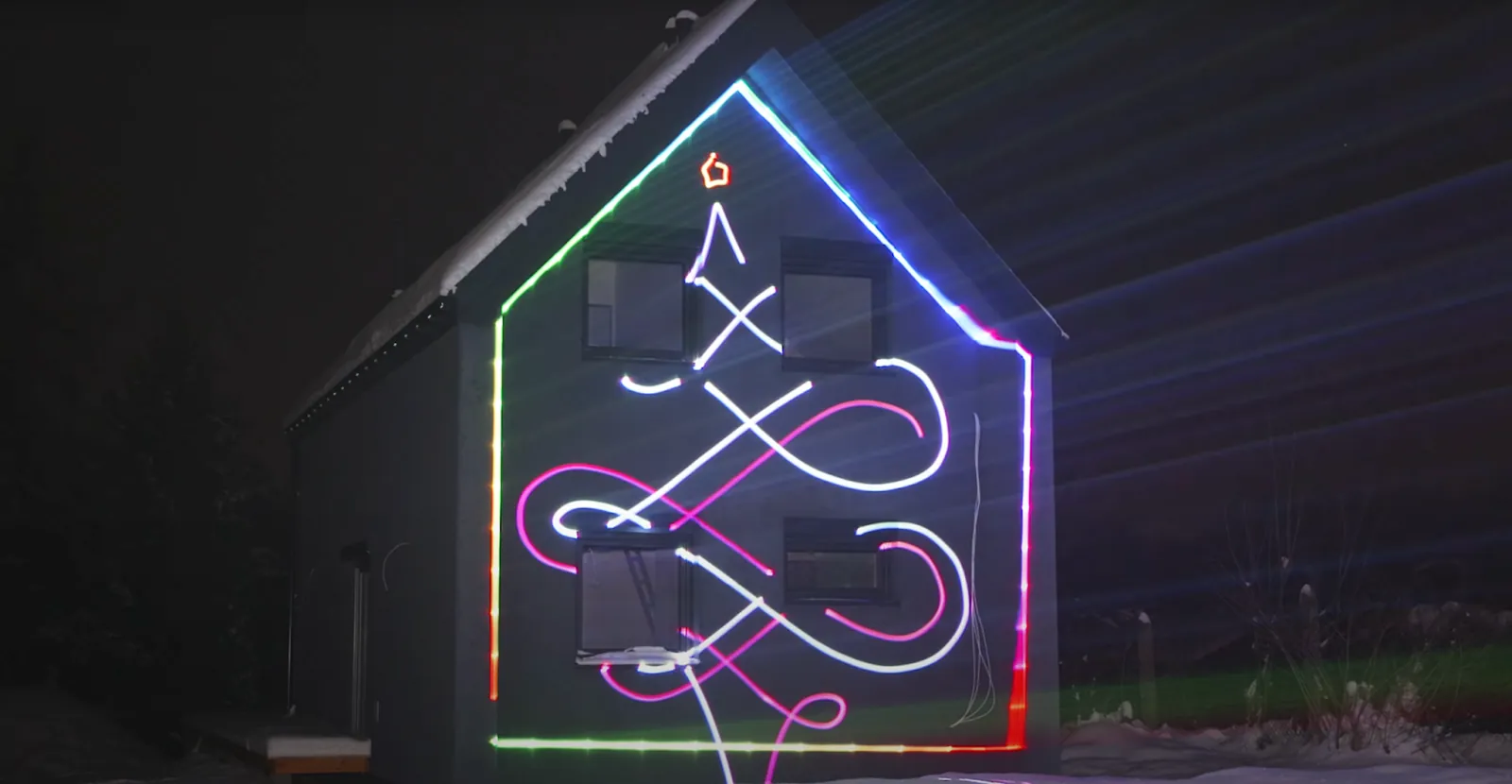
How to Create Professional Multimedia Installations Without Breaking the Bank
Multimedia installations are now seen at concerts, as a multimedia art installation in galleries, at corporate events, and in retail spaces. These setups combine laser projection, video, sound, and interactive elements to produce beautiful visual displays.
Many artists, event planners, and small venues believe that building professional multimedia installations requires large budgets and technical knowledge. The good news? Modern technology, like the LaserCube from Wicked Lasers, has made these installations easier to build and more affordable than before.
The Challenge of Traditional Multimedia Installations
For decades, multimedia installations were only available to large production companies and those with a lot of money. The barriers were high for independent artists and small businesses.
- High Cost: Traditional professional laser projection systems cost anywhere from $10,000 to over $100,000, putting them out of reach for most creators.
- Complex Setup: These systems needed dedicated power, difficult mounting setups, and a lot of technical knowledge to operate safely.
- Portability Issues: Transportation was another big challenge. Heavy, bulky equipment meant that building pop-up installations or mobile displays was difficult or impossible.
- Difficult Programming: Operating professional laser systems needed special software knowledge, an understanding of DMX controls, and often hiring dedicated laser operators.
For small venues, new artists, or mobile DJs, these requirements made professional installations nearly impossible to achieve.
Key Parts of Modern Multimedia Installations
Understanding the building blocks of multimedia installations can show you simpler options.
- Laser Projection: At the heart of most installations is laser projection technology. It creates bright, controlled beams and graphics that fill spaces with color. Unlike video projectors, lasers leave everything outside the graphics dark. When combined with atmospheric haze, they create striking aerial beam effects.
- Projection Mapping: Projection mapping has changed how we think about display surfaces. This technique lets creators turn odd-shaped objects like buildings or sculptures into moving displays by digitally mapping content to match the object’s shape.
- Audio-Reactive Features: These features sync visuals with music in real-time, creating a close link between sound and light. The system can listen to live audio or sync to a set BPM, making your installation respond to the music.
- Interactive Elements: These turn watching into an activity. Through MIDI controllers, motion sensors, or touchscreens, audiences become part of the installation and can trigger effects.
These parts: light, sound, and interaction, work together. When they are combined well, they create a complete multimedia and sound installation that an audience can truly feel.
Modern multimedia installations also work with other software like TouchDesigner, MadMapper, and Resolume. These tools allow for advanced control that was once only available to major production houses.
Portable Solutions Change the Market
Battery-powered laser projection systems now make it possible for creators to work outside traditional venues.
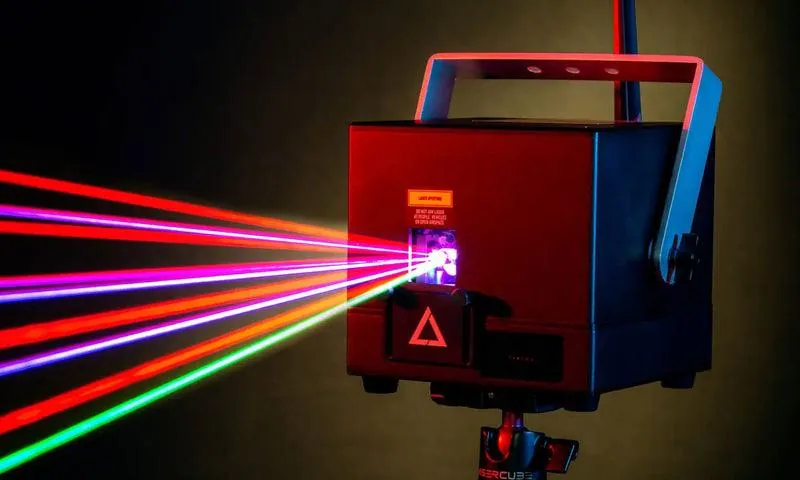
Compact laser projectors now offer professional-quality output in palm-sized packages weighing just a few pounds. Built-in batteries provide 2-4 hours of wireless operation, so you don’t need power outlets.
This allows for installations in locations that were previously difficult to reach: outdoor festivals, temporary gallery spaces, or remote natural settings.
Wireless control via smartphone, tablet, or laptop means setup takes minutes instead of hours. Artists can position projectors and change content in real-time without running cables across venues.
This freedom of movement creates new creative options for pop-up art installations, surprise projections, and location-based performances.
Gallery artists now build temporary installations that tour multiple venues without shipping crates of equipment. Retail brands set up projection-mapped displays for product launches, then pack everything into a backpack.
Festival producers combine multiple portable units to create large-scale visual experiences without needing traditional stage lighting planning.
Professional-grade connection features remain available despite the compact size. Some models include ILDA ports for connection to common control software, while advanced versions offer DMX and MIDI support for sync with existing lighting systems.
This means your installation can grow from a solo artist’s gallery show to a part of a major production.
Getting Started with Your First Installation
Building your first multimedia installation doesn’t require a lot of money or years of training.
- Start Simple: Begin with a single projection unit and focus on the basics: projection mapping, music syncing, and effect programming.
- Use Free Software: Free software applications provide large libraries of pre-made content, so you can build great shows right away. Many systems include hundreds of visualizers, animations, and effects ready to use.
- Practice: Start by practicing in a safe space. Try projection mapping onto a simple box or a chair. Learn how the audio-reactive features respond to different types of music. Getting comfortable with the software is the first step.
- Check Safety Rules: Consider venue needs and safety rules when planning your installation. LaserCube is a professional show laser, not a toy: never aim it at people’s eyes, at audiences or at aircraft, and never at anything flammable. In public spaces, keep every beam at least 3 meters (10 feet) above the floor wherever people may be, and check your local rules for public shows. A LaserCube should never be left running unattended, so someone has to stay with the installation while it runs, and a permanent outdoor setup needs a climate-controlled (heated and ventilated) enclosure. Our safety tips have more.
- Grow Over Time: As your skills grow, you can grow your setup step by step. Add specialty lenses, fog machines for aerial displays, or multiple synced units for larger installations. This approach lets you expand your toolkit over time without replacing your system.
Modern portable laser systems have made multimedia installations available to creators at every level. Whether you’re a new artist, mobile DJ, or small venue operator, products like the LaserCube put the technology to build captivating experiences right in your backpack and budget.
See it for yourself
LaserCube is a portable, battery-powered RGB laser projector, and its show software, LaserOS, is free.
Explore the LaserCube lineup