Water Laser Light Shows: The Pro Setup Guide
Looking to project a water laser light show? This guide covers hydro shields, water curtains, and the best outdoor laser projectors for events.
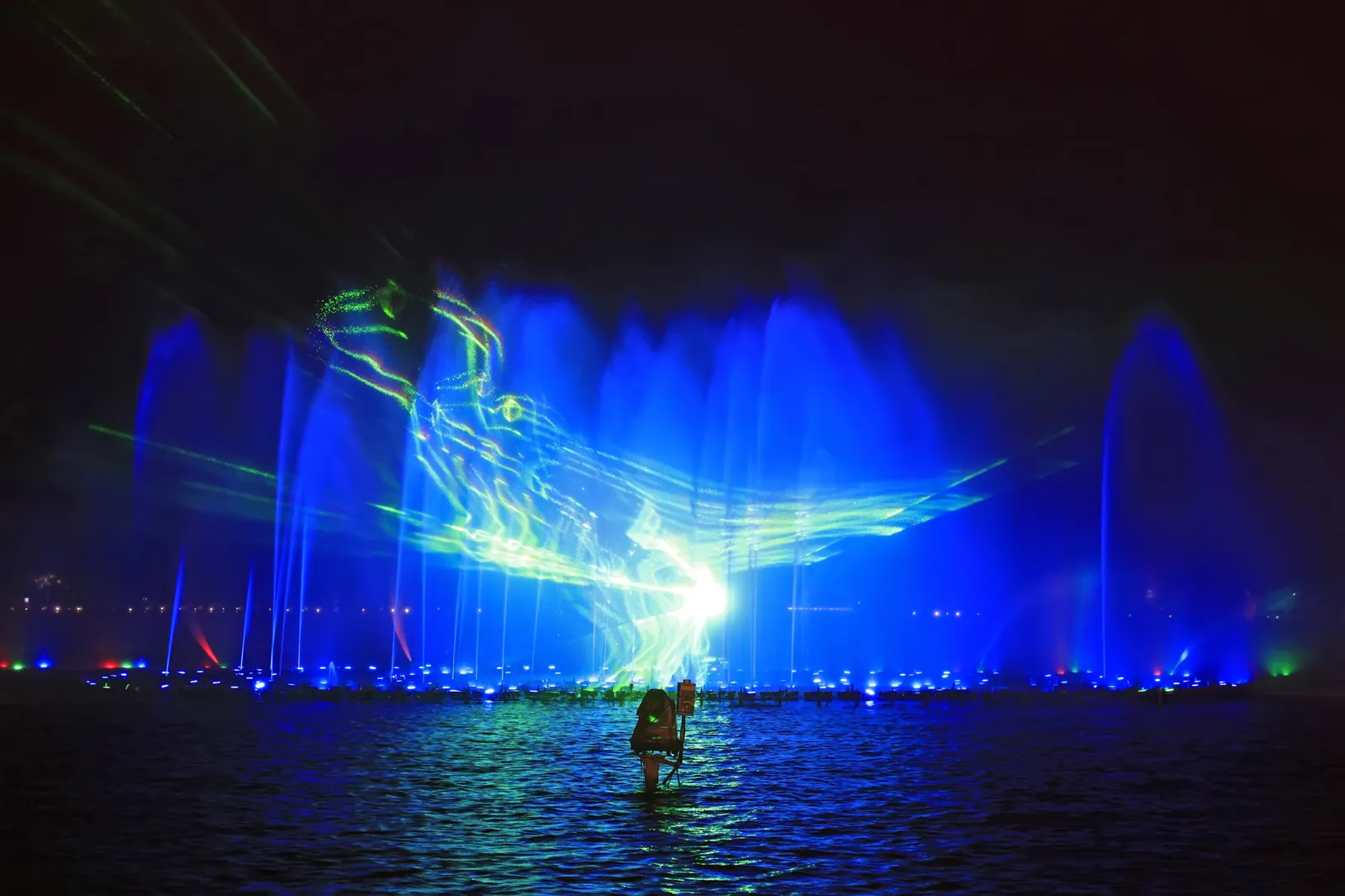
Event producers are always looking for ways to make their visual displays stand out, but traditional projection surfaces can feel restrictive. Finding a premium, 3D-like projection medium that works outdoors or on large stages is difficult, and projecting onto water with standard bulbs looks muddy.
Projecting a water laser light onto a specialized water screen creates an immersive, holographic effect that seems to float in mid-air. In this article, we will go through the equipment production teams need to pull it off.
Understanding Water Screen Elements
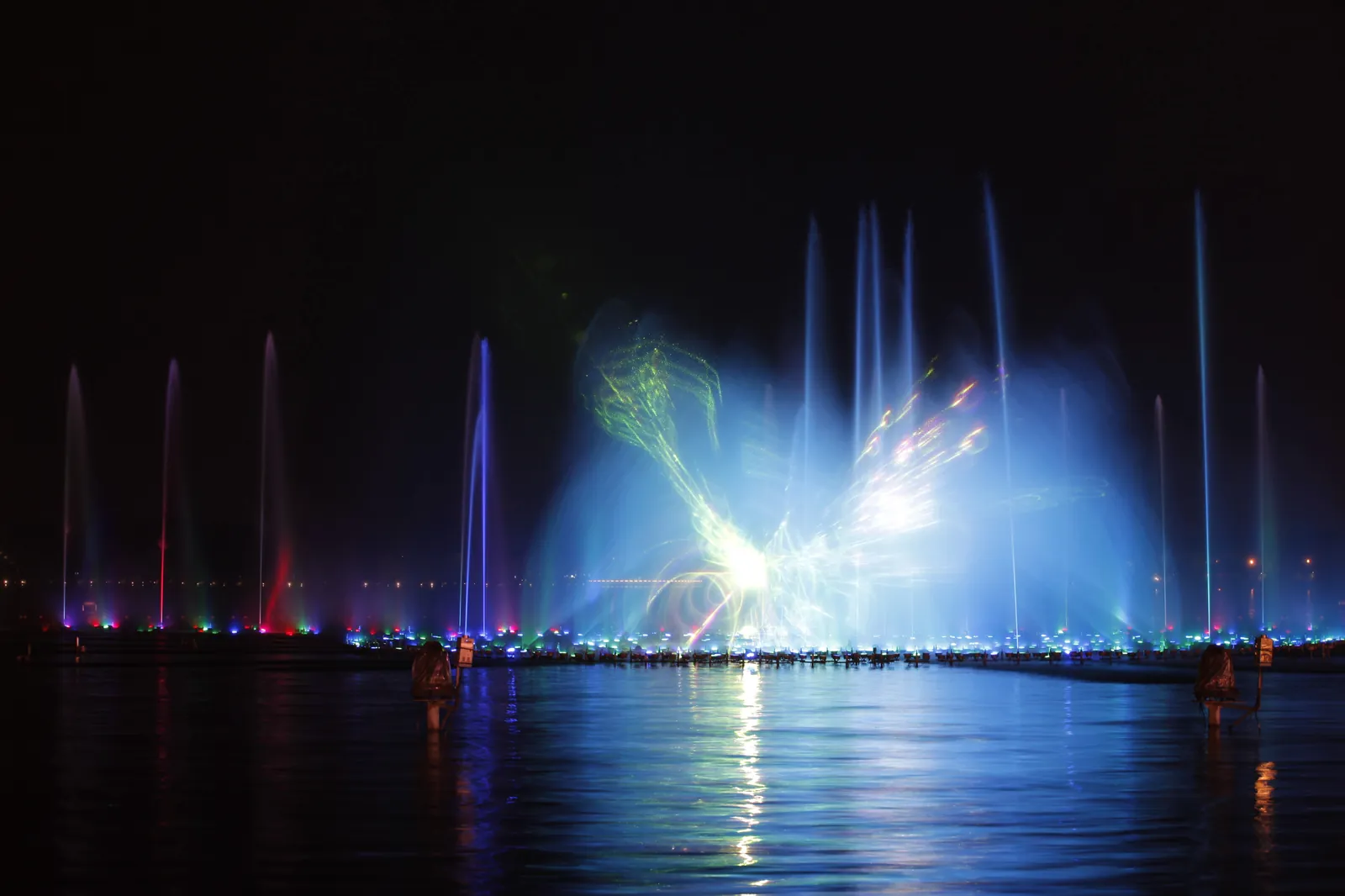
Unlike standard fabrics, water screens use high-pressure pumps to create a fine, semi-transparent layer of falling or spraying water. The industry splits this category into two main types, depending on whether the setup is meant for an indoor stage or a large outdoor environment.
Projecting a concentrated light beam through these fine droplets catches the light in mid-air. This creates a large visual footprint without the need to build a physical wall.
Using Hydro Shields for Outdoor Projections
With a hydro-shield screen, high-pressure pumps force water into a single, highly powerful jet. It gets sprayed out from the bottom upwards, creating a large semi-circle just above the ground. Because of the wide spray radius and high water volume, this specific water screen is dedicated solely to outdoor purposes.
Picture a production crew setting up on the edge of a dark lake at a music festival. The operator aims a 10,000mW full-color laser beam into the towering mist, and crisp, glowing graphics appear on the spray. The mist is semi-transparent, so much of the light passes straight through it: keep everyone out of the beam path behind the screen, and make sure the light that passes through ends on a solid surface, never in the sky.
Deploying Water Curtains for Stages
To build a water curtain, heavy-duty pumps push high-pressure water into a suspended overhead rail. Hundreds of small jets inside the rail then force this water downward to create a perfectly even, dense sheet.
Production teams often use these outdoors, but they work flawlessly indoors when operators place a collection pool underneath to recycle the water. This gives operators a highly controlled projection surface as a stage or corporate event backdrop.
Comparing Lasers to Video Projectors on Water
Unlike video projectors that lose focus on uneven surfaces, a laser beam needs no focusing and widens only slowly (about 1 mm per metre on the Ultra MK2). This ensures that graphics and text stay razor-sharp, even as the water screen constantly moves.
The high contrast of a laser also allows the colors to punch through ambient outdoor lighting much better than standard projector bulbs. This ensures the visual show remains vivid against the dark sky.
Choosing the Right Projector: The 10W Ultra MK2
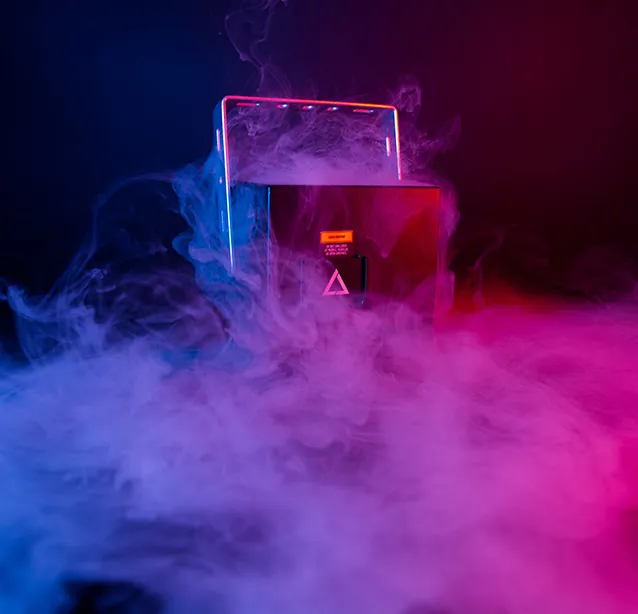
The LaserCube 10W Ultra MK2 is built specifically for these high-end, demanding environments. It delivers 10,000mW of power to keep graphics and beams vivid against heavy mist.
When working with the unique semi-circle shape of a hydro shield, operators use the free LaserOS mapping tools to keep the projection inside the screen area. A keep-within safety zone around the screen reduces any beam outside it according to the attenuation setting (100% means fully blanked). A zone works on top of the beam block and the 3 m rule, never instead of them, and no beam may go past the water into the open sky.
Protecting Your Gear: Safety and Weatherproofing
Even if operators position the projector safely away from the primary water source, shifting winds easily blow mist directly onto the stage gear. For outdoor water setups, enclosing the projector in the official Rain Cover is a strict requirement.
This accessory upgrades the chassis to an IP63 rating for light rain (not heavy rain), while the beam shoots cleanly through the optical window. Even so, keep the projector out of the spray: the cover is made for light rain, not for being soaked.
Wrapping Up
Water screens turn standard light shows into premium, memorable visual experiences. Whether dropping a dense curtain behind an indoor stage or firing a hydro shield across a lake, pairing the right screen with a high-power projector creates a serious impact.
The right protective gear helps protect your projector in these complex setups. Ready to build a water laser light setup? Visit the LaserCube product page to review the 10W Ultra MK2 and the Rain Cover accessory for upcoming outdoor events using water screens to project your light show.
Frequently Asked Questions (FAQs)
Q01Can operators use a regular fog machine instead of a water screen outdoors?
Standard fog machines struggle outdoors because even a light breeze blows the fog away quickly. Water screens, especially hydro shields, use heavy water droplets that resist wind much better, providing a stable surface for outdoor projections. To learn more about standard atmospheric effects, read our guide on how to use fog for a laser show.
Q02Is the LaserCube waterproof on its own?
No. LaserCube models are rated IP51, and IP63 with the official Rain Cover fitted, which allows use in light rain, but not in heavy rain. For outdoor shows near water screens, fit the Rain Cover and keep the projector out of the spray. The LaserCube Pro's rain cover isn't available yet, so for now a Pro can't be used in rain.
Q03Do operators need special software to project onto a semi-circle hydro shield?
Operators do not need to buy expensive external software. The free LaserOS software includes digital mapping and Attenuation Zone tools. These allow operators to trace the exact shape of the water screen and keep the projection inside its edges.
See it for yourself
LaserCube is a portable, battery-powered RGB laser projector, and its show software, LaserOS, is free.
Explore the LaserCube lineup